Unseen Influences – Part 07/12
Is All Tiredness a Sign of Low Energy?
When we feel depleted, should we immediately call it “low energy”? Let’s distinguish sleep, stress, health, life load, and bioenergetic language safely.

Warm greetings, from soul to soul and heart to heart…
I often hear the words, “Maria, I have no energy at all.” Sometimes we truly do feel depleted after an intense period. Sometimes sleep is not enough, stress weighs the body down, or persistent tiredness has an underlying medical cause that needs assessment.
I do not believe tiredness should be covered over with a spiritual label alone. When the body is telling us something, we need to listen without forcing its message into a single explanation.
“The body’s wish to rest is not laziness; sometimes it is the language of protection, and sometimes a way of asking for help.”
You wake up but do not feel rested. Your eyes grow heavy in the afternoon. After a meeting, you want to lie down on the sofa. Describing this as “my energy dropped” can feel entirely natural.
Yet tiredness has no single cause. Sleep duration and quality, stress, nutrition, activity level, infections, medicines, hormonal or other medical conditions, and psychological load may all be involved.
For that reason, attributing tiredness only to a bioenergetic explanation can miss important clues, especially when it persists or affects daily life.
Short Answer: No, Not Every Tiredness Is “Low Energy”
In everyday language, “energy” is a useful word for vitality and strength. Medically, however, tiredness can have many different causes. The NHS notes insufficient sleep, lifestyle, stress and depression, as well as some illnesses, among its possible causes.
So the first question may not be “Why did my energy drop?” but “What pattern does my tiredness follow?”
1. Normal Tiredness and Persistent Tiredness Are Not the Same
Feeling tired after an intense day is normal, and recovery after rest and sleep is expected. Tiredness that lasts for weeks, clearly impairs daily functioning or cannot be explained by lack of rest may need assessment.
The NHS advises consulting a health professional when tiredness is unexplained and has continued for some time. Tiredness is not a disease in itself; it can be a symptom shared by many different conditions.
2. Sleep: One of the Most Basic Resources
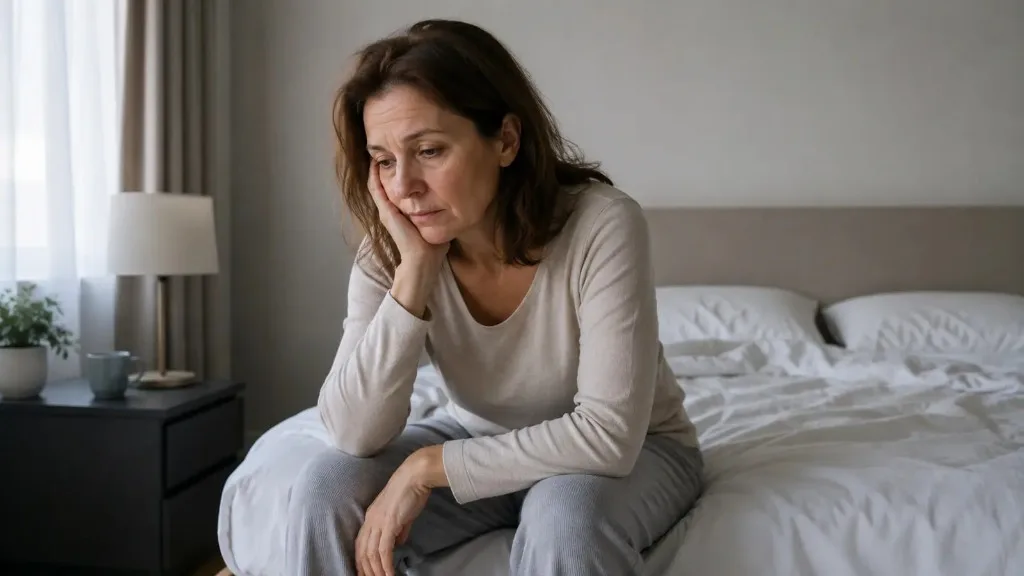
Adequate, uninterrupted sleep matters for attention, learning, reaction time and physical health. The NHLBI emphasises that sleep deficiency can affect cognitive performance and long-term health risks.
“I was in bed for eight hours” is not the same as “I slept well for eight hours.” Frequent waking, snoring, pauses in breathing, shift work or irregular hours can prevent you from waking refreshed.
When there is loud snoring, gasping during the night or excessive daytime sleepiness, conditions such as sleep apnoea may need to be assessed.
3. Why Can Stress Make Us Physically Tired?

Stress is not only a “mental” experience. Prolonged stress can place a burden on the body through autonomic nervous system and hormonal responses. Bruce McEwen’s work on allostatic load offers an important framework for understanding the bodily costs of stress systems remaining overactive as they try to help us adapt.
Constantly thinking things through, expecting conflict, caregiving, working under intense pressure or continually monitoring yourself can leave you feeling as though “my battery is dead” by the end of the day.
That experience is real; here, however, “energy” may describe subjective vitality and a sense of inner resources, not energy in the physical sense.
4. Tiredness Can Have Medical Causes
Tiredness may be associated with anaemia, thyroid problems, infections, sleep disorders, some medicines and many other health conditions.
This list is not intended for self-diagnosis. On the contrary, it matters because it keeps us from becoming fixed on one explanation. When tiredness persists or worsens, seek an appropriate health assessment instead of diagnosing yourself with “negative energy.”
5. When Does “I Rest, but It Doesn’t Go Away” Matter?
In conditions such as ME/CFS, tiredness may not improve with rest and can seriously affect daily activity. The NHS identifies extreme tiredness that does not improve with rest as a core symptom of ME/CFS; diagnosis requires other possible causes to be assessed.
The aim is not to encourage self-diagnosis. It is to show why a generalisation such as “every tiredness that does not improve with rest is an energy blockage” can be harmful.
6. How Do Spiritual and Bioenergetic Languages Interpret Tiredness?
In bioenergy and spiritual traditions, tiredness is sometimes described as “low energy,” “a heavy field,” “blockage” or “energy loss.”
This language can express a personal experience, but it should not draw someone away from medical assessment. Bioenergetic interpretations and clinical causes do not replace one another.
A person may be under intense stress, sleeping poorly and feeling spiritually depleted at the same time. It is safer to distinguish these layers.
7. The Angels Akademi Perspective: Separate First, Then Interpret
In Angels Akademi’s new editorial approach, we should respond to tiredness by observing a person’s experience across different layers instead of simply saying, “Everything is energy.”
• Sleep: duration, quality, snoring and waking during the night.
• Physical state: signs of illness, pain, new medicines, nutrition and hydration.
• Psychological load: stress, anxiety, grief, caregiving and work pressure.
• Social load: after which relationships does it become more pronounced?
• Spiritual experience: what meaning does the person give this tiredness?
A spiritual approach can then support more holistic observation rather than obscuring necessary medical or psychological assessment.
8. A Fatigue Diary: Seven Days of Simple Observation

If tiredness recurs often, it may help to record the following for one week:
• The times you go to sleep and wake up.
• How many times you wake during the night.
• How rested you feel in the morning, from 0 to 10.
• The time of day when your energy feels lowest.
• Whether you experienced intense stress or conflict.
• Factors such as movement, caffeine, alcohol or irregular meals.
• The circumstances in which tiredness clearly increased or decreased.
This diary is not a diagnostic tool. It can, however, help you notice your pattern and provide more concrete information during a health consultation.
9. When Is Professional Assessment Needed?

If tiredness is unexplained, has lasted several weeks, clearly affects daily life or appears alongside other symptoms, it is appropriate to speak with a health professional. The NHS also recommends assessment for persistent tiredness without a clear cause.
For urgent or serious symptoms, contact local emergency health services. Blog content does not replace an individual medical assessment.
Four Columns for Understanding Tiredness
For one week, track your tiredness in four separate columns:
1. Duration: How long has it continued, and is it more noticeable in the morning or evening?
2. Sleep: How many hours did you sleep, did you wake during the night, and did you feel rested in the morning?
3. Load: How much physical, mental and emotional strain did you experience that day?
4. Accompanying signs: Are there shortness of breath, palpitations, pain, fever, weight change, snoring, dizziness or mood changes?
This record is not for self-diagnosis. It is meant to help you give clearer information if you need to consult a doctor and see patterns between your routine and your tiredness.
Resting Is Not the Same as Withdrawing from Life
Rest gives the body room to recover. But if tiredness has caused you to withdraw from daily life for weeks, you can no longer do what you once did, or rest brings no clear improvement, do not wait while telling yourself only that “my energy is low.”
Seeking an appropriate health assessment is not a rejection of bioenergy or spirituality. On the contrary, it is part of treating the body as something entrusted to our care.
10. Common Misconceptions
Misconception 1: If I am tired, my chakras are closed.
No such medical conclusion can be drawn. Chakras are a spiritual model; they do not rule out medical causes of tiredness.
Misconception 2: If my tests are normal, the tiredness is not real.
No. Subjective tiredness is real. Some causes take time to assess, and factors such as stress and sleep can also have real bodily effects.
Misconception 3: Rest cures every kind of tiredness.
Not always. Persistent tiredness, or tiredness that does not improve with rest, may need assessment.
Misconception 4: Bioenergy work means I no longer need medical checks.
No. Complementary or spiritual practices should not replace necessary medical assessment and treatment.
Conclusion: “I Have No Energy” Is a Starting Point, Not a Diagnosis
Neither dismissing tiredness nor attributing every instance of it to “low energy” is sound. The strongest approach is to recognise the pattern, assess basic life conditions and seek professional support when necessary.
Alongside “Why did my energy drop?”, ask yourself, “What do my body and my life need from me right now?”
If You Would Like to Deepen This Journey
Previous part: Can Another Person’s Feeling Pass to Us?
Part 06: Can Another Person’s Feeling Pass to Us?
Next part: Why Can’t We Be Ourselves Around Some People?
Part 08: Why Can’t We Be Ourselves Around Some People?
To hear Maria Öcal discuss this subject in her own words, visit the Angels Akademi YouTube channel; for short practices and new posts, follow Angels Akademi on Instagram.
Visit the Angels Akademi YouTube channel
Follow @angelsakademi on Instagram
If you would like to explore your inner world more deeply through notes, questions and intentions, discover The Light Never Went Out by Maria and Ayhan Öcal.
Discover The Light Never Went Out
Frequently Asked Questions
Is constant tiredness normal?
Short-term tiredness can be common. Unexplained tiredness that lasts several weeks or affects daily life should be assessed by a health professional.
Does too little sleep really lower energy?
Insufficient or fragmented sleep can negatively affect attention, mood and physical functioning.
Can stress cause physical tiredness?
Yes. Prolonged stress can strain physiological adaptation systems and contribute to feeling depleted.
Does bioenergy treat tiredness?
This article does not present bioenergy as a proven medical treatment for tiredness. With persistent tiredness, assessing underlying health causes takes priority.
About the Author
Maria Öcal is the founder of Angels Akademi, an educator and co-author with Ayhan Öcal of The Light Never Went Out.
Learn more about Maria & Ayhan Öcal
Sources and Editorial References
Related